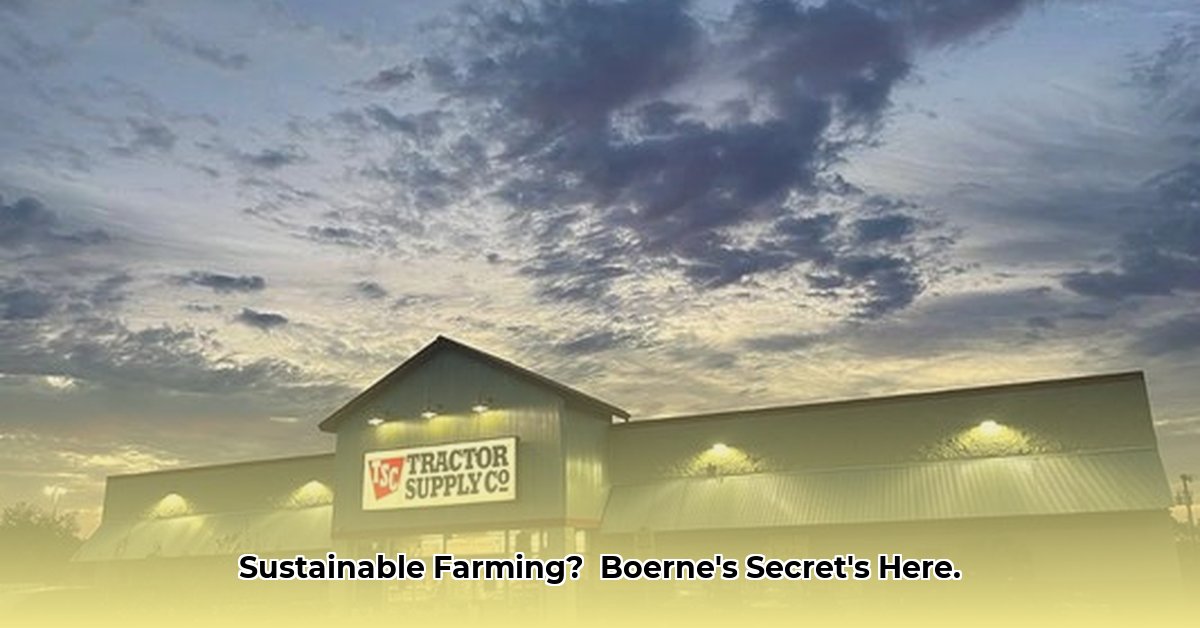
Tractor Supply (TSC) in Boerne, Texas, presents a unique opportunity to support sustainable agriculture within the community. This guide examines TSC Boerne's offerings, assesses its role in promoting environmentally conscious farming, and provides actionable steps for all stakeholders. We'll uncover what TSC offers, identify areas for improvement, and empower you to make a difference. For more information on TSC's commitment to sustainability, visit this helpful resource.
What Tractor Supply Boerne TX Offers for Sustainable Farming
TSC Boerne stocks a range of products applicable to sustainable agriculture. These include livestock feed (formulated for various animals), seeds for diverse crops (from drought-resistant grains to organic vegetables), fencing materials, and water management solutions (like efficient water troughs and solar-powered pumps). Furthermore, they carry tools designed for eco-friendly practices, such as wheelbarrows for efficient compost handling and implements specifically suited for organic gardening. But the availability of these tools isn't the whole story; we need to delve deeper to assess the overall sustainability of the store's operations. Does the sourcing of these products align with principles of environmental responsibility?
Assessing Tractor Supply Boerne TX's Commitment to Sustainability
While TSC offers many tools for sustainable farming, its own sustainability is equally crucial. Does TSC prioritize sustainably-minded suppliers? Are its products certified organic? Does the store emphasize local sourcing to minimize transportation emissions? Transparency is paramount. Furthermore, what are TSC Boerne’s internal sustainability practices? Does it have a robust waste reduction and recycling plan? Simply selling sustainable products isn’t sufficient; the store's environmental impact must also be considered. The effectiveness of TSC in fostering sustainable agriculture hinges on both its product offerings and its commitment to eco-friendly operations.
Understanding the Challenges and Opportunities: A Balanced Look
Let's analyze the potential advantages and disadvantages of TSC Boerne's role in sustainable farming. Here's a risk assessment matrix outlining key factors, their likelihood, impact, and mitigation strategies:
| Risk Factor | Likelihood | Impact | Mitigation Strategy |
|---|---|---|---|
| Lack of product sourcing transparency | High | Moderate | TSC needs clear labeling indicating sustainable sourcing, complemented by certifications where applicable. |
| Consumer unawareness of sustainable options | High | Moderate | TSC can implement in-store educational materials and promotions highlighting eco-friendly product choices. |
| Limited staff expertise in sustainable agriculture | Moderate | Low | Comprehensive staff training on sustainable farming practices should be prioritized. |
| Competition from other suppliers offering similar products | Moderate | Moderate | TSC could differentiate itself by specializing in unique, local, or certified-organic products. |
| Packaging waste from products | High | Low | Encouraging vendors to use eco-friendly packaging and promoting reduced packaging are key steps. |
Actionable Steps: A Collaborative Effort
Elevating TSC Boerne to a leader in sustainable agriculture requires a collaborative approach involving the store, local farmers, and conscious consumers.
For Tractor Supply Boerne TX Staff:
- Prioritize Staff Training: Implement comprehensive training programs focusing on sustainable agricultural practices. This will enable staff to effectively advise customers.
- Foster Local Partnerships: Actively collaborate with local, sustainable farms to directly source more products, reducing transportation impacts and bolstering the community.
- Implement a Robust Waste Reduction Program: Establish effective recycling and composting programs within the store, actively minimizing waste generation.
For Local Farmers:
- Support Certified Suppliers: Prioritize sustainably sourced products from TSC Boerne, particularly those with verifiable certifications like USDA Organic.
- Open Dialogue with TSC: Engage with TSC staff, expressing needs and suggesting sustainable products or practices the store could adopt.
- Share Best Practices: Share knowledge of successful sustainable farming techniques with TSC and fellow farmers.
For Boerne Consumers:
- Educate Yourself: Research sustainable agricultural practices and the products that support them. Make well-informed purchasing choices.
- Demand Sustainability: When shopping at TSC, actively request and support a wider selection of sustainable products, sending a strong market signal.
- Provide Constructive Feedback: Communicate your preferences and suggestions to TSC Boerne, letting them know what you value.
For Tractor Supply Co. Corporate:
- Conduct Regular Environmental Audits: Implement regular environmental audits at all stores to identify opportunities for improvement.
- Develop a Comprehensive Sustainability Plan: Create a corporate-wide sustainability plan with defined goals, measurable metrics, and clear timelines.
- Enhance Transparency: Publish a yearly sustainability report detailing progress and challenges, fostering greater accountability.
Regulatory Compliance and Sustainable Farming
Sustainable agriculture operates within a regulatory framework. Farmers and businesses must comply with environmental protection laws, food safety regulations (especially concerning organic products), and worker safety standards. Adherence to these regulations is crucial for both TSC and its customers.
Conclusion: A Shared Responsibility for a Sustainable Future
TSC Boerne provides the tools; however, the success of sustainable agriculture in Boerne depends on a unified effort. This requires informed consumer choices, a committed TSC staff, and a corporate strategy prioritizing sustainability. Only through this collaborative approach can TSC become a valuable partner in building a more resilient and environmentally responsible local food system.